Find Heavy Weight Cloth Like Adult Nappy for Care, Travel, and Home
Explore 30 heavy weight cloth like adult nappy options to compare materials, sizes, and absorption features. This guide helps buyers evaluate reusable and disposable styles for various care needs and budget requirements; compare the available evidence and request quotations based on your requirements.
Key considerations
Products List


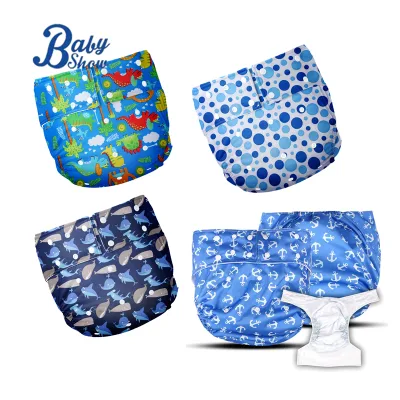


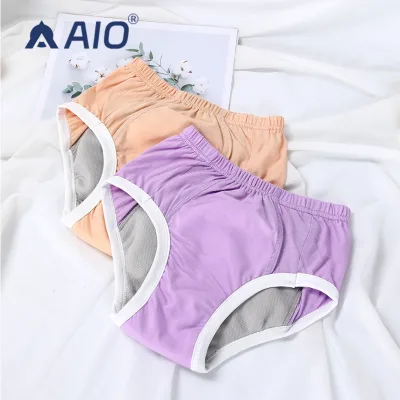


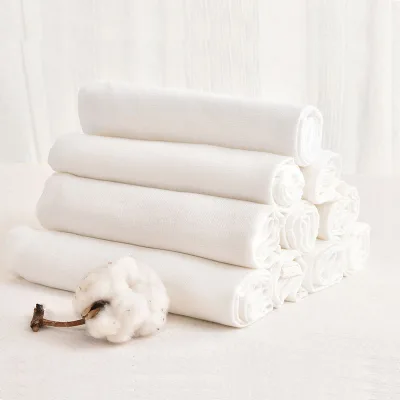


Comprehensive Sourcing Guide
Heavy Weight Cloth Like Adult Nappy Sourcing Guide
Sourcing heavy-weight cloth-like adult nappies requires a nuanced understanding of material composition and functional design, as the market offers diverse options ranging from disposable non-woven products to reusable cloth systems. Buyers must first distinguish between single-use hygiene products and washable, reusable garments, as the procurement strategies, quality checks, and end-user expectations differ significantly. The term "heavy weight" often refers to the absorbency core or the durability of the outer shell, necessitating a clear definition of performance metrics before engaging with suppliers.
This guide focuses on verifying the technical and commercial aspects of these products, ensuring that procurement teams can navigate the complexities of global supply chains effectively. By examining observed listing signals, technical specifications, and compliance requirements, buyers can mitigate risks associated with product failure or regulatory non-compliance. The following sections provide a structured approach to evaluating suppliers, understanding cost drivers, and establishing long-term quality assurance protocols for adult incontinence products.
Product Scope and Observed Listing Signals
The current market landscape for adult nappies includes a wide variety of materials, with non-woven fabric and cotton being prominent choices for different product types. Observed listings indicate that products are available in various forms, including disposable diapers made from non-woven materials and reusable cloth diapers constructed from cotton or mesh cloth. The presence of features such as PUL waterproof outer layers and soft, breathable inner materials suggests a focus on comfort and leak prevention, which are critical for adult users. Buyers should note that "heavy weight" may refer to the density of the fabric or the absorbency capacity, requiring careful verification of product descriptions.
Listing signals also reveal significant variability in customization options, with many suppliers offering logo printing, color variations, and design adjustments. Products are often marketed with specific models such as LY-Diapers or ST-NW33, indicating a standardized approach to manufacturing that allows for bulk ordering. The availability of sizes ranging from S to XXL and the option for custom sizing highlight the importance of fit in adult incontinence products. Buyers must carefully review these signals to ensure that the selected product meets the specific needs of their target demographic, particularly regarding fit and comfort.
Technical Specifications to Verify
When evaluating technical specifications, buyers should prioritize the verification of material composition, particularly the distinction between non-woven and woven fabrics. For reusable cloth-like nappies, the inner material is often mesh cloth or cotton, designed to be soft and breathable against the skin, while the outer layer may feature PUL waterproofing to prevent leaks. It is essential to confirm the weight of the product, as some listings specify a weight of 136 grams, which may indicate the density of the material or the absorbency core. Buyers should also verify the presence of anti-leak features, such as 3D leak prevention channels or leak guards, which are critical for product performance.
Size and fit are equally important technical considerations, with products available in standard sizes like S, M, L, and XL, as well as custom options. The single package size and gross weight are crucial for logistics planning, with some listings providing dimensions of 73x43x56 cm and a gross weight of 0.140 kg. Buyers must ensure that the product model number and size specifications align with their requirements, as inconsistencies can lead to fulfillment errors. Additionally, the wash temperature recommendation of under 30℃ for cloth products is a key specification that affects maintenance and longevity, requiring clear communication with end-users.
Compliance and Safety Documentation
Compliance with international standards is a non-negotiable aspect of sourcing adult incontinence products, with CE and ISO13485 certifications being commonly cited in supplier listings. These certifications indicate that the products meet specific safety and quality management requirements, which is particularly important for medical or hygiene-related items. Buyers should request valid certificates from suppliers and verify their authenticity through official databases, as counterfeit documentation is a risk in global trade. The presence of SGS and ROSH standards further suggests a commitment to quality and environmental safety, although buyers should confirm the specific scope of these certifications.
Ethylene oxide sterilization is another critical safety feature for disposable products, ensuring that the items are free from harmful microorganisms before use. Buyers must verify that the sterilization process is documented and that the products are handled in a controlled environment to prevent recontamination. Additionally, the absence of logo printing on some products may indicate a focus on generic, unbranded items, which can be advantageous for private labeling strategies. Buyers should ensure that all safety documentation is up-to-date and that the supplier has a robust quality control system in place to maintain compliance.
Cost Drivers and Commercial Terms
Cost drivers for adult nappies include material costs, manufacturing complexity, and customization requirements, with prices ranging from $0.02 to $1060 depending on the product type and order volume. Disposable non-woven products tend to be lower in cost per unit, while reusable cloth diapers with multiple layers and waterproofing may command higher prices due to their durability and reusability. Buyers should consider the total cost of ownership, including shipping, tariffs, and potential returns, when evaluating supplier quotes. The minimum order quantity (MOQ) can also impact pricing, with larger orders typically benefiting from economies of scale.
Commercial terms such as payment methods, shipping options, and lead times are critical factors in the procurement process. Suppliers often accept payments via T/T, Western Union, or PayPal, providing flexibility for international transactions. Shipping methods like FedEx, DHL, and UPS offer reliable delivery, but buyers should negotiate lead times to ensure timely fulfillment. The customization of colors, prints, and materials can add to the cost, so buyers should clearly define their requirements to avoid unexpected charges. Understanding these commercial terms helps in budgeting and planning for long-term supply chain stability.
Supplier Qualification and Quality Control
Supplier qualification involves a thorough assessment of their manufacturing capabilities, quality control processes, and track record in the industry. Buyers should verify the supplier's origin, with many manufacturers located in regions like Hubei and Zhejiang in China, which are known for textile and hygiene product production. It is essential to conduct factory audits or request third-party inspection reports to ensure that the supplier adheres to good manufacturing practices. The quality guarantee period of two years for some products indicates a confidence in durability, but buyers should clarify the terms of this guarantee.
Quality control measures should include regular testing of material strength, absorbency, and leak prevention features to ensure consistent product performance. Buyers should establish clear acceptance criteria and implement incoming quality control checks upon receipt of goods. The ability to customize designs and materials suggests a flexible manufacturing process, but buyers must ensure that these changes do not compromise quality. Building a strong relationship with the supplier through regular communication and feedback can help maintain high standards and address any issues promptly.
Long-Term Procurement Checks
Long-term procurement checks involve continuous monitoring of supplier performance, product quality, and market trends to ensure sustained value. Buyers should establish key performance indicators (KPIs) such as defect rates, delivery times, and customer satisfaction scores to evaluate supplier reliability. Regular reviews of product specifications and compliance documentation are necessary to adapt to changing regulatory requirements and consumer preferences. The global export markets indicate a competitive landscape, so buyers must stay informed about industry developments and emerging technologies.
Sustainability and ethical sourcing are increasingly important considerations, with buyers looking for suppliers who demonstrate responsible manufacturing practices. The availability of reusable cloth diapers aligns with growing demand for eco-friendly products, offering a potential competitive advantage. Buyers should also consider the lifecycle of the product, including disposal or recycling options, to minimize environmental impact. By maintaining a proactive approach to procurement, buyers can mitigate risks and secure a stable supply of high-quality adult nappies for their customers.
FAQs
What materials are used in these adult diapers?
The products utilize non-woven fabric as the primary material, with some variants featuring cotton or mesh cloth inner layers. Outer materials may include PUL waterproof fabric to ensure durability and comfort. These selections support both disposable and reusable styles, catering to different user preferences for breathability and softness while maintaining structural integrity during use.
Can I customize the design and branding of the diapers?
Yes, customization is available for color, print, inner and outer materials, and brand logos. Buyers can accept custom designs to meet specific market needs. This flexibility allows for tailored solutions, ensuring that the final product aligns with your brand identity and functional requirements, whether for standard white, pink, blue, or other specified color options.
What certifications do these adult diapers hold?
The products hold CE and ISO13485 certifications, ensuring compliance with international quality and safety standards. Additional standards like SGS and ROSH are also referenced. These certifications verify that the manufacturing processes and final products meet rigorous regulatory requirements, providing assurance of quality and safety for adult care products distributed in global markets.
What is the quality guarantee period for these products?
The quality guarantee period is two years. This warranty covers defects in materials and workmanship, ensuring long-term reliability for buyers. It reflects the manufacturer's confidence in the durability of the non-woven fabric and construction. This guarantee provides peace of mind for bulk purchasers, supporting trust in the product's performance over its intended usage lifecycle.
How are the diapers packaged for shipping?
The diapers are packaged in OPP bags, with package quantities ranging from 11 to 15 items per bag. This packaging method protects the product during transit and storage. The single gross weight is approximately 0.140 kg, and the single package size is 73x43x56 cm, facilitating efficient logistics and handling for international shipments via various courier services.
What sizes are available for these adult diapers?
Available sizes include S, M, L, XL, XXL, and one-size-fit options. Some models offer any size customization to meet specific fit requirements. This range ensures suitability for various adult body types, providing comfort and effective leak prevention. The sizing flexibility allows buyers to stock diverse options or request specific dimensions tailored to their target demographic's needs.